"A Splendid Thing" Justifying the British Optical Association Museum and Library During its First Half Century
Article Sidebar
Main Article Content
Abstract
This paper discusses the origins of the British Optical Association Museum and how it increased in prominence. Its value for matters such as historical research, pride of possession of members, publicity, recognition of the status of the profession, and demonstration of the long and distinguished history of the profession are examined. The arguments in support of the museum in the first half of the twentieth century by John Hamer Sutcliffe, and later his protégé George Giles, are highlighted.
Downloads
Article Details
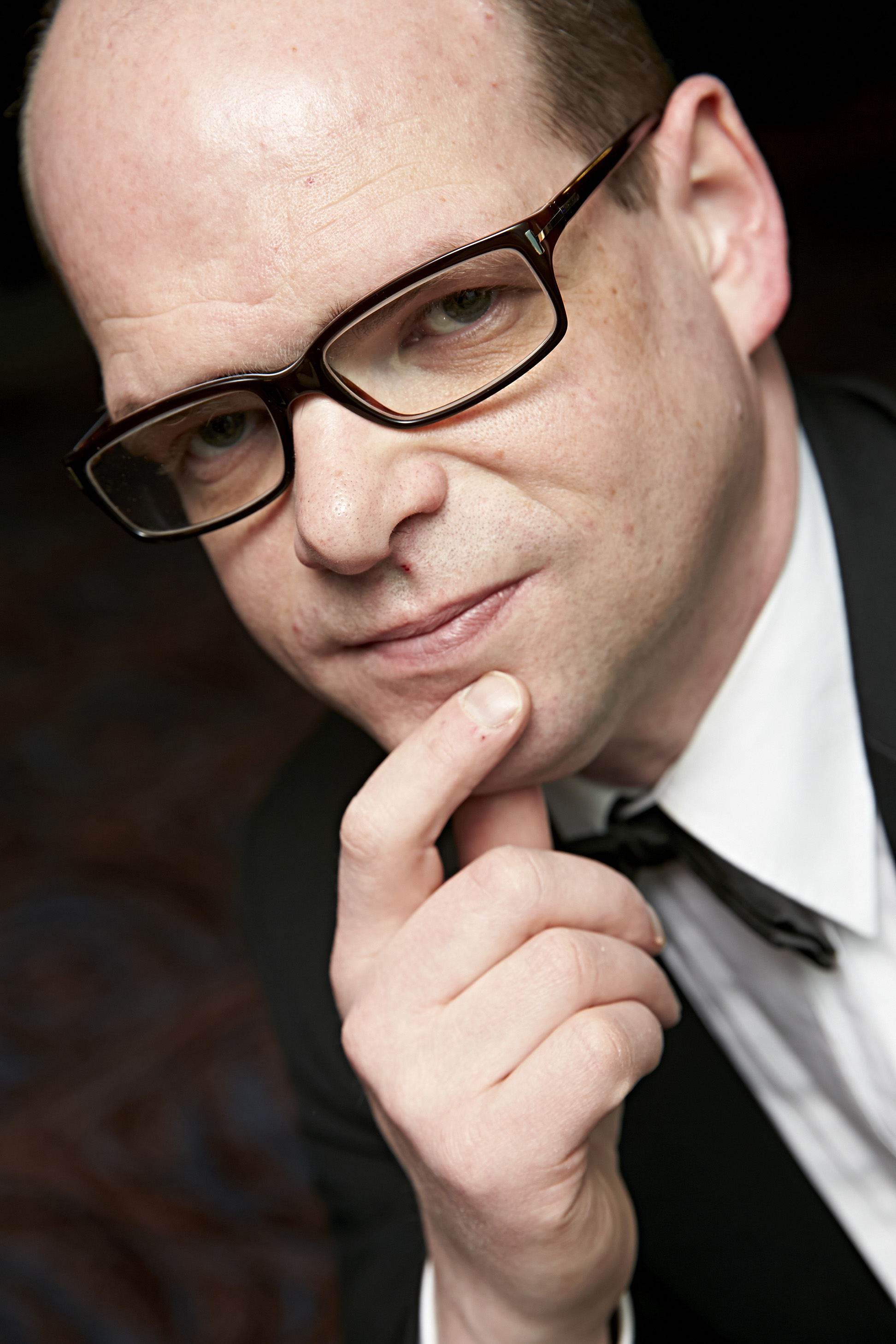
Neil Handley, M.A., A.M.A., British Optical Association Museum
Neil Handley has been the Curator of the BOA Museum since 1999. The 'MusEYEum' a virtual museum website-within-a-website was established at Neil's instigation in 2003. Neil worked previously at the Centre for the History of Science, Technology and Medicine at the University of Manchester on a project to plan the future for museum-quality collections within the various scientific and medical departments. He also worked for shorter spells at other museums in Manchester, Salford and the Isle of Man as well as for an interactive exhibition at the National Portrait Gallery, just a few hundred yards from Craven Street. Neil was awarded the Associateship of the Museums Association in 2002 and was one of the first 17 museum professionals in the country to gain the AMA+ qualification in May 2007. He now serves as a Museums Association Mentor for younger curators.
Neil was elected Chairman of the prestigious London Museums of Health and Medicine (2011-14), widely considered within the profession to be one of the most dynamic and go-ahead museum specialist networks. He oversaw that organisation's first strategic review for fifteen years. He is also a past Vice Chairman of the Scientific Instrument Society and became a Fellow of the Royal Society for the Encouragement of Arts, Manufactures and Commerce (FRSA) in 2012.
Neil has contributed to a number of books on the history of the subject, significant contributions being a chapter on artificial eyes for the book Devices and Designs (2006) and the major German publication Treasury of Optics (2012). He spent much of 2009 and 2010 writing a book on Cult Eyewear, the first serious analytical study of the historical development of branded fashion spectacle frames, published by Merrell on 27 September 2011. He also co-authored, with David Cartwright, the second volume of the College History, The College of Optometrists: A History 1998-2015, published in October 2015. He has also written articles for journals as diverse as Optometry in Practice, Contact Lens and Anterior Eye, Ophthalmic and Physiological Optics, From the Master and Wardens (newsletter of the Worshipful Company of Spectacle Makers), Ophthalmic Antiques, Gewina (Dutch Journal for the History of Science), Antiquarian Horology and Pharmaceutical Historian.
Authors who publish with this journal agree to the following terms:
1. By submitting to Hindsight: Journal of Optometry History, the author grants to the journal the non-exclusive right to
reproduce, translate (as defined below), and/or distribute your submission worldwide in print and electronic format
and in any medium, including but not limited to audio or video.
2. The author agrees that Hindsight: Journal of Optometry History may, without changing the content, translate the
submission to any medium or format for the purpose of preservation.
3. The author agrees that Hindsight: Journal of Optometry History may keep more than one copy of this submission for
purposes of security, back-up, and preservation.
4. The author represents that the submission is his/her original work, and that s/he has the right to grant the rights
contained in this agreement. The author also represents that his/her submission does not, to the best of his/her
knowledge, infringe upon anyone's copyright.
5. Authors are able to enter into separate, additional arrangements for the nonexclusive distribution of the journal's
published version of the work (e.g., post it to an institutional repository or a website or publish it in a book), with
an acknowledgment of its initial publication in this journal.